
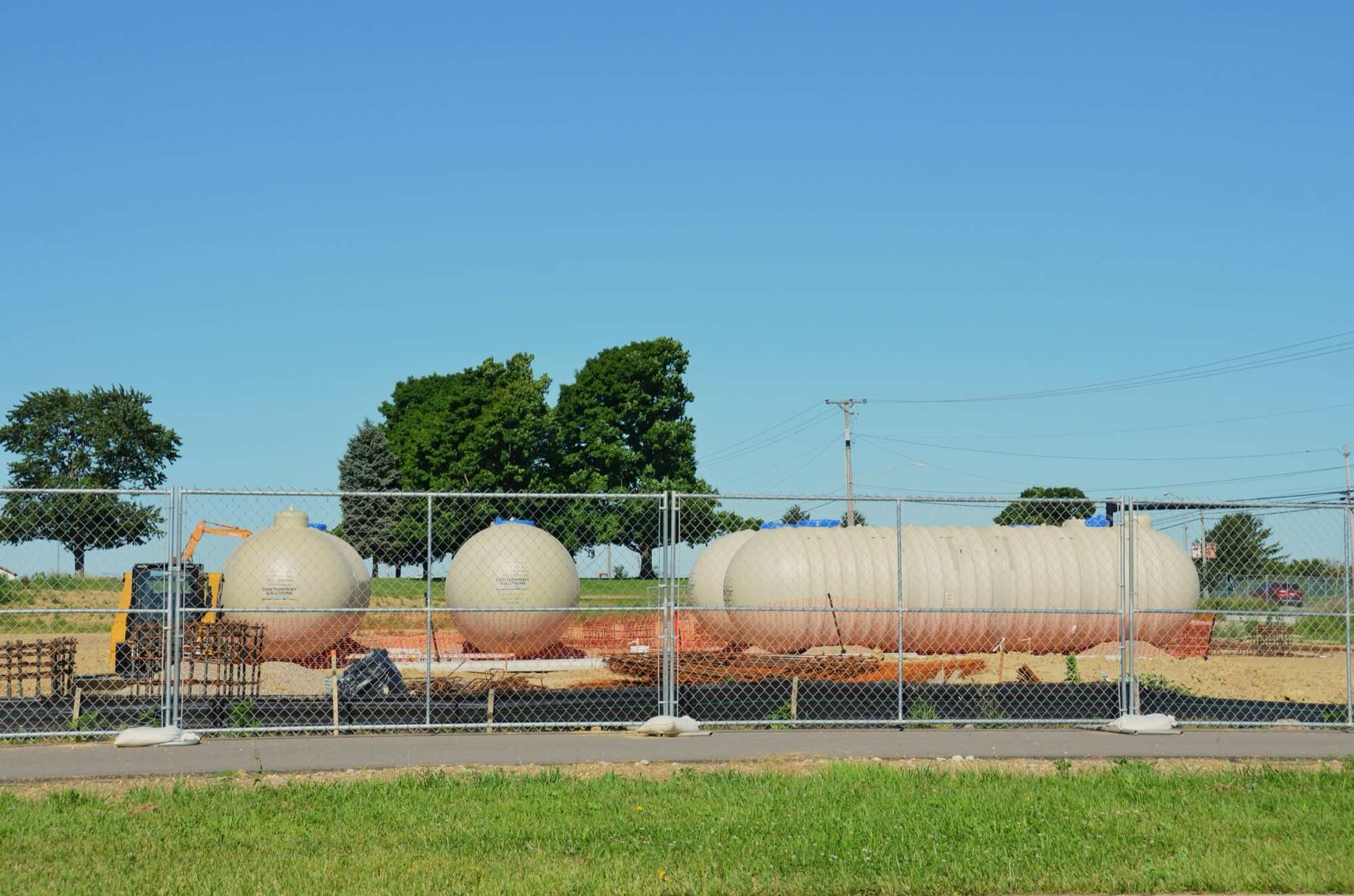
Temporary fence keeps people out of places they should not be. Local Dumpsters and Portable Toilets books temporary fence rental for job sites, events, and hazards in the Charleston area. We confirm the panel count, gates, and who sets it up before you book.
The panels stand on their own, so there is no digging and no damage to the ground.
How Temporary Fencing Works
Temporary fence is made of chain link panels set in heavy bases. Panels clip together to make a line as long as you need. When the job is done, they come apart and leave with the truck.
Exact panel sizes and add-ons are confirmed when you book.
Fencing for Construction Sites
A fence around a job site keeps the public away from holes, tools, and heavy machines. It also helps keep materials from walking off at night. Many builders fence:
- New home and commercial building sites
- Demolition jobs, where debris and dust fly
- Material storage and equipment yards
- Work areas around a construction site dumpster
Plan your gate so delivery trucks and the dumpster truck can get in. A fence that blocks the dumpster is a common headache. Lock the gate at the end of each day if tools stay on site.
Tip: Add Privacy Screen on Busy Streets
A fabric screen on the fence cuts down on dust and keeps curious eyes off the site. It also catches more wind, so add extra weight to each base.
Fencing for Events
Fences help steer crowds and mark off areas at:
- Festivals, fairs, and concerts
- Races and fun runs
- Beer gardens and VIP sections
- Parking lots and staging areas
At events, fencing pairs well with restrooms. Many organizers fence the area behind their event portable toilets so the service truck has a clear lane. Fenced areas also need a plan for trash, so ask about trash cans for events and job sites.
Fencing for Hazards and Repairs
Some fences are about safety, not crowds:
- A pool under repair or with no cover
- Storm damage, like a fallen tree or a damaged wall
- A hole or trench left open overnight
- A home under renovation with kids nearby
Planning Your Fence Line
- Walk the area and measure the full length you need to close off.
- Mark where people and trucks need to get in.
- Note anything in the way, like trees, curbs, or slopes.
- Check whether any part of the fence will sit on a sidewalk or street.
- Share all of this when you call, and we plan the panel count.
Fencing on Public Land
A fence on a city sidewalk or street may need a permit. Rules vary by town, so check with the local permit office before you set a date. For examples of how local rules work on job sites, see our Charleston dumpster permit guide.
Keeping a Fence Standing
Wind is the biggest threat to temporary fence. A fence with privacy screen acts like a sail. A few habits help:
- Put sandbags or weights on every base, not just the end panels.
- Check clamps after a storm and tighten any that slipped.
- Keep the fence line straight, since sharp angles catch more wind.
- Ask about bracing for long, open runs or windy spots near the water.
- Walk the line at the end of each day on a busy site.
Coastal areas around Charleston see strong storms. If a big storm is coming, call to talk about adding weight or taking screens down until it passes.
Pair Fencing With Other Site Rentals
A fenced job site usually needs restrooms and a place for debris too. Look at porta potties for construction crews and dumpster rental. Set the delivery days together so everything arrives in order.
How to Rent Temporary Fence
Call or request a fence rental quote. Share your address, the length you need, your dates, and where gates should go. We confirm the details and who sets it up before you book.
Questions People Ask
How Does Temporary Fencing Stand Up?
Each panel sits in a heavy base, so there is no digging. Clamps join the panels together, and sandbags or weights add hold in wind.
Can I Add a Gate to Temporary Fencing?
Yes. Gates come in walk-through and drive-through widths. Tell us how trucks and people need to get in, and we plan the gate in the right spot.
Do I Need a Permit for Temporary Fencing?
It depends on where the fence goes. A fence on a public sidewalk or street often needs city approval. Check with your local permit office before setup.